Introduction
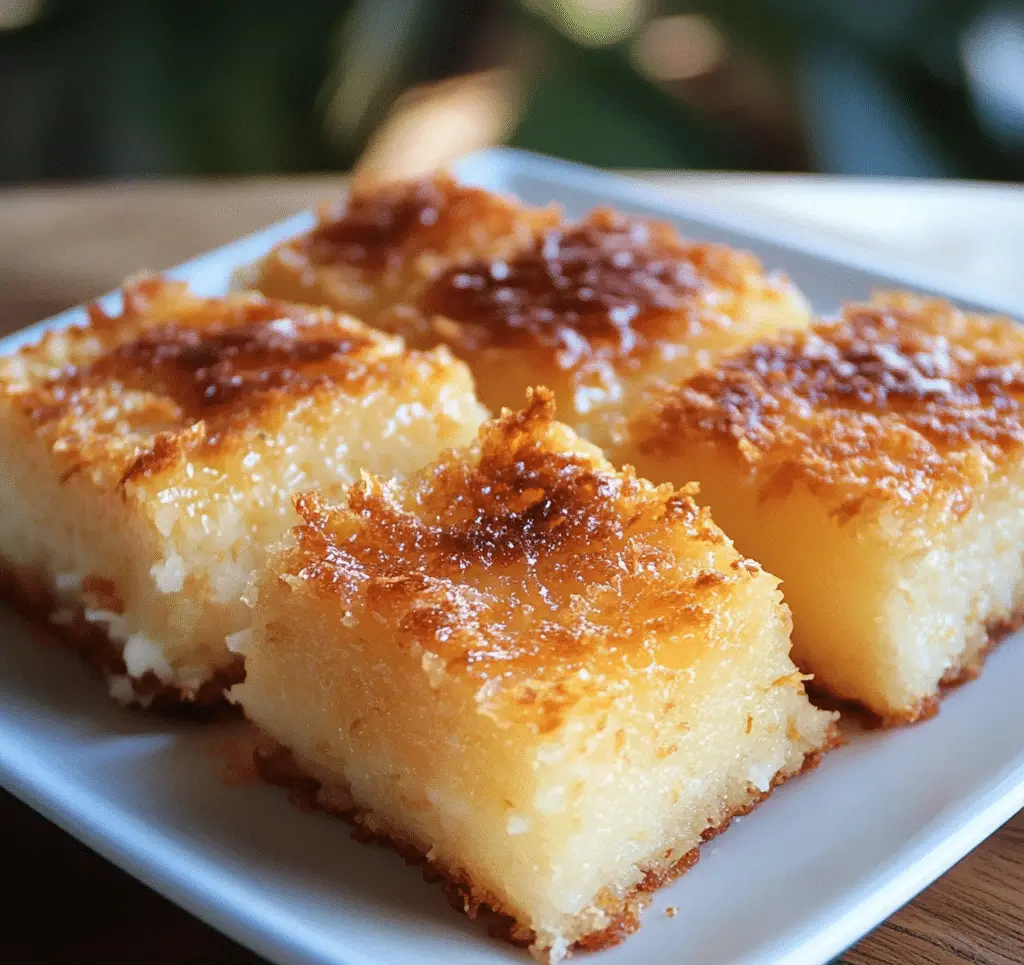
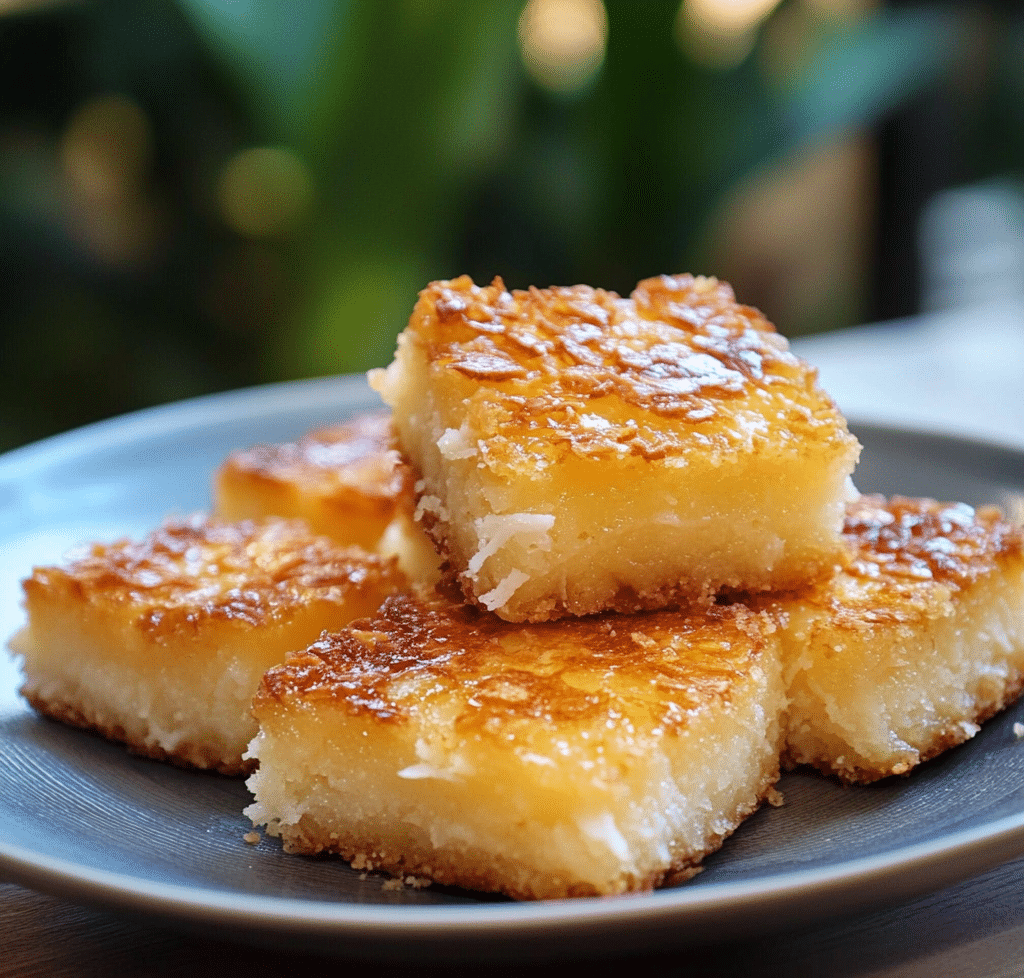
Bibingka – Filipino Coconut Cake is a heartwarming, traditional Filipino dessert that perfectly captures the essence of Christmas and festive gatherings. This cake, with its soft, spongy texture and delicate coconut flavor, is unlike any other. Its unique combination of rice flour, coconut milk, and sugar creates a slightly sweet, savory bite, while the salted egg topping adds a delightful contrast that elevates the flavors to something truly special.
My first experience with Bibingka was during a family Christmas celebration, and it immediately won me over. The smell of coconut baking with the richness of salted eggs filled the air, creating a comforting, almost nostalgic atmosphere. The warmth of the cake, combined with its tender crumb, is something that stays with you long after you’ve had your first bite.
Bibingka is ideal for those moments when you crave something cozy and a little different. The soft, moist texture of the cake, combined with the slightly salty topping, makes it both comforting and indulgent. Whether enjoyed on its own or with a cup of hot chocolate or tea, Bibingka brings an undeniable sense of warmth and joy. It’s a dessert that’s perfect for holiday celebrations or any time you want to treat yourself to something deeply satisfying.
Perfect for:
- Christmas and holiday celebrations
- Filipino-themed parties
- Family gatherings
- Enjoying with hot chocolate or coffee
- A unique, flavorful dessert
Why You’ll Love This Recipe
- Authentic Flavor: Experience the taste of traditional Filipino baking with this iconic cake.
- Coconut Goodness: The use of coconut milk and grated coconut gives this cake its signature rich and nutty flavor.
- Savory and Sweet: The addition of salted egg and cheese on top creates a perfect balance of savory and sweet flavors.
- Easy to Make: Despite its rich flavor profile, Bibingka is surprisingly simple to prepare.
- Versatile: Perfect as a dessert, snack, or breakfast treat with a cup of tea or coffee.
Preparation and Baking Time
- Total Time: 1 hour 15 minutes
- Preparation Time: 15 minutes
- Baking Time: 50 minutes
- Servings: 8 slices
- Calories per serving: Approximately 250-300 calories
Ingredients
For the Bibingka:
- 1 ½ cups rice flour
- 1 ½ cups all-purpose flour
- 1 cup coconut milk
- 1 cup granulated sugar
- 1/3 cup melted butter
- 3 large eggs
- 2 teaspoons baking powder
- ½ teaspoon vanilla extract
- ¼ teaspoon salt
- ½ cup grated coconut
- 1/3 cup fresh or frozen corn kernels (optional)
For the Topping:
- 2 salted eggs, peeled and sliced
- ½ cup cheese (preferably cheddar), sliced or shredded
- 1 tablespoon butter, melted (for brushing)
- A few fresh banana leaves (optional, for lining the baking dish)
Ingredient Highlights:
- Rice Flour: Creates a tender, chewy texture that is characteristic of Bibingka.
- Coconut Milk and Grated Coconut: Infuses the cake with a rich coconut flavor, making it moist and fragrant.
- Salted Eggs and Cheese: Provide a savory contrast to the sweetness of the cake.
- Banana Leaves (optional): Add an aromatic fragrance and traditional touch to the presentation.
Step-by-Step Instructions
Prepare the Cake Batter:
- Preheat the Oven: Preheat your oven to 350°F (175°C). If using, line your baking dish with banana leaves for a traditional touch and added aroma.
- Mix the Dry Ingredients: In a medium bowl, combine the rice flour, all-purpose flour, baking powder, salt, and grated coconut. Set aside.
- Beat the Wet Ingredients: In a large bowl, beat the eggs and sugar together until well combined. Add the melted butter, coconut milk, and vanilla extract, and mix until smooth.
- Combine the Wet and Dry Mixtures: Gradually add the dry ingredients to the wet ingredients, stirring until everything is well incorporated and the batter is smooth. If you’re using corn kernels, fold them into the batter.
Bake the Bibingka:
- Pour the Batter: Pour the batter into a greased 9-inch round baking dish or an 8×8-inch square pan.
- Add the Toppings: Arrange the sliced salted eggs and cheese on top of the batter.
- Bake: Bake for 40-50 minutes, or until a toothpick inserted into the center comes out clean and the top is lightly golden.
Finish the Cake:
- Brush with Butter: Once the cake is done, remove it from the oven and brush the top with melted butter.
- Let it Cool: Allow the Bibingka to cool for a few minutes before slicing.
How to Serve
- Warm: Serve the Bibingka warm for the best texture and flavor.
- With Hot Drinks: Perfectly paired with hot chocolate, coffee, or tea for a cozy treat.
- As a Snack or Breakfast: Enjoy it as a midday snack or a unique breakfast option.
- With Additional Toppings: For extra flavor, top with more grated coconut or a drizzle of condensed milk.
Additional Tips
- Use Fresh Coconut: If possible, use fresh coconut milk and grated coconut for a more authentic and rich flavor.
- Corn Kernels (Optional): Adding corn kernels gives the cake a slight sweetness and unique texture. Feel free to leave them out if you prefer the traditional version.
- Check for Doneness: The top should be golden, and a toothpick should come out clean when inserted into the center.
- Banana Leaves: If using banana leaves, make sure to wipe them with a damp cloth and heat them briefly over the flame to soften before lining your pan.
- Room Temperature Ingredients: Ensure that eggs and butter are at room temperature to help create a smooth batter.
Recipe Variations
- Ube Bibingka: Add ½ cup of mashed ube (purple yam) to the batter for a colorful twist.
- Cheesy Bibingka: Use a combination of sharp cheddar and mozzarella for extra cheese flavor.
- Pandan Bibingka: Incorporate pandan extract into the batter for a fragrant, floral twist.
- Vegan Bibingka: Use coconut oil instead of butter and flax eggs as a substitute for regular eggs.
- Mini Bibingkas: Pour the batter into muffin tins for individual-sized Bibingkas.
- Coconut Milk Substitute: Use evaporated milk for a richer taste or regular milk for a milder flavor.
- Cinnamon-Spiced Bibingka: Add a pinch of cinnamon to the batter for a warming flavor profile.
- Choco Bibingka: Fold in chocolate chips for a sweet, chocolatey variation.
- Ginger Bibingka: Add fresh grated ginger to the batter for a spiced kick.
- Baked in Banana Leaves: For an authentic presentation, bake the batter directly on banana leaves.
Freezing and Storage
- Storage: Store leftover Bibingka in an airtight container at room temperature for up to 3 days.
- Freezing: You can freeze the cooled Bibingka for up to 2 months. Wrap it tightly in plastic wrap before placing it in a freezer-safe container. Thaw overnight before serving.
Special Equipment
- 9-Inch Round or Square Pan: Essential for baking the Bibingka evenly.
- Electric Mixer: Helpful for beating the eggs and sugar quickly and thoroughly.
- Banana Leaves (Optional): Adds a traditional touch to the presentation and enhances flavor.
- Coconut Grater: If using fresh coconut, a grater will make the process easier.
- Pastry Brush: Ideal for brushing melted butter on the warm cake.
FAQ Section
- Can I use regular flour instead of rice flour?
Rice flour is key to the texture of Bibingka, so it’s best to use it for authenticity. However, you can try substituting with gluten-free flour if needed. - Can I skip the salted eggs?
While salted eggs are traditional, you can skip them if you prefer a sweet-only version or substitute with another savory topping. - Can I make this ahead of time?
Yes, Bibingka can be baked a day in advance and stored at room temperature. Just warm it up before serving. - What’s the best way to store leftover Bibingka?
Store it in an airtight container and keep it at room temperature for 2-3 days. You can also refrigerate it for longer storage. - Can I make Bibingka in a muffin tin?
Yes, pour the batter into muffin tins for individual servings. Reduce the baking time to about 20-25 minutes. - How do I know when the Bibingka is done?
The top should be lightly golden, and a toothpick inserted into the center should come out clean. - Can I use non-dairy coconut milk?
Yes, non-dairy coconut milk can be used as a substitute for regular coconut milk. - Can I add other fruits to the cake?
Yes, you can try adding diced mango or papaya for a tropical twist. - Is it necessary to use banana leaves?
Banana leaves are optional but provide an authentic touch and a subtle fragrance to the cake. - Can I make a gluten-free version?
Yes, use a gluten-free rice flour blend in place of all-purpose flour to make it gluten-free.
Conclusion
Bibingka, the Filipino Coconut Cake, is a delightful and comforting dessert that beautifully embodies the flavors of Filipino tradition. Its rich, buttery base pairs perfectly with the subtle sweetness of coconut milk, creating a flavor profile that is both indulgent and nostalgic. The slight hint of saltiness, often from the salted egg or cheese topping, brings balance and depth to every bite.
What truly makes this dish shine is its versatility. Traditionally enjoyed during the Christmas season, Bibingka can be savored year-round, whether as a special treat for gatherings or a comforting snack on a cool afternoon. Topped with a sprinkling of sugar and grated coconut, each bite transports you to the heart of Filipino culture and warmth.
Perfect for any occasion, Bibingka’s combination of textures—from its slightly crisped top to its soft, spongy center—makes it a true crowd-pleaser. Whether you’re making it for the first time or revisiting a beloved family recipe, Bibingka is sure to add joy and tradition to your table. I hope you give this Filipino coconut cake a try, and don’t forget to share your creations with me—I can’t wait to see how you make it your own! Enjoy each delightful bite!