Cheese and crackers have long been a staple of casual gatherings, offering a delightful blend of flavors and textures that can elevate any social occasion. This humble combination, often underestimated, carries the potential to be a gourmet experience with the right selection of cheeses and accompaniments. What makes it so universally appealing is its versatility; whether you’re hosting an elegant cocktail party or a relaxed family picnic, a well-curated cheese and crackers platter can cater to a variety of tastes and preferences. The art of crafting the perfect platter lies in understanding the balance between taste, texture, and visual appeal, making this simple dish not only a palate pleaser but also a feast for the eyes.
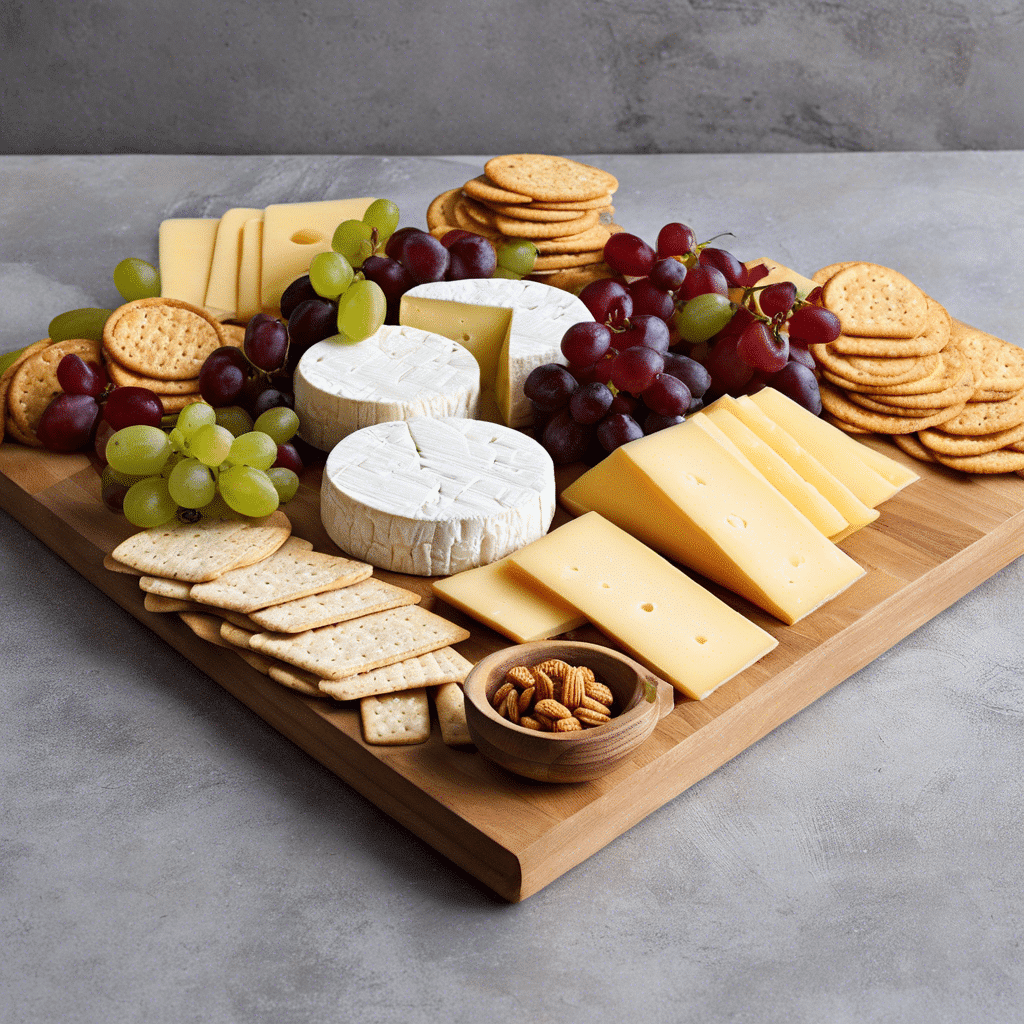
At the heart of any cheese and crackers platter is, of course, the cheese. The key to a successful platter is diversity. A well-balanced selection should include a mix of flavors and textures, from soft and creamy to hard and sharp. Consider including a creamy brie or camembert, a sharp aged cheddar, a tangy blue cheese, and perhaps a unique choice like a truffle-infused gouda. Each cheese offers a distinct profile that can cater to a wide range of palates. Additionally, consider the origin of the cheeses, as each region imparts its unique character into its cheese, adding depth and interest to your platter. Pairing these cheeses with the right accompaniments is crucial in bringing out their best qualities.
Crackers, often seen as the supporting act to cheese, play a crucial role in enhancing the overall experience. When selecting crackers, aim for a variety that complements the cheeses without overpowering them. A mix of plain water crackers, nutty whole-grain options, and perhaps a flavored variety like rosemary or garlic can add depth to your platter. The texture is equally important; some cheeses pair well with the crunch of a crisp cracker, while others might be better suited to a softer breadstick or flatbread. Additionally, consider including gluten-free options to cater to dietary restrictions, ensuring that all guests can enjoy the spread without worry.
Beyond cheese and crackers, the addition of fruits, nuts, and spreads can transform your platter into a culinary masterpiece. Fresh fruits like grapes, apple slices, or figs introduce a natural sweetness, while dried apricots or cranberries can provide a contrasting chewy texture. Nuts such as almonds or walnuts offer a delightful crunch and can also help cleanse the palate between different cheeses. For those looking to add a touch of indulgence, consider including a selection of spreads such as fig jam, honey, or an olive tapenade. These additions not only complement the cheeses but also add layers of flavor that make the platter more exciting and sophisticated.
Presentation is the final, yet equally important, element of a cheese and crackers platter. A well-arranged platter is not only inviting but also encourages exploration and conversation among guests. Start by arranging the cheeses in a circular pattern or in clusters, ensuring that each type is easily accessible. Surround the cheeses with crackers and add the accompaniments in small bowls or scattered elegantly around the platter. Use garnishes like fresh herbs or edible flowers to add a pop of color and elegance. Remember, the goal is to create a platter that is as pleasing to the eye as it is to the taste buds, inviting guests to indulge in the art of cheese and crackers.