Introduction
Making homemade pasta dough from scratch is a rewarding experience that transforms simple ingredients into a delicious, silky, and fresh pasta base. Whether you’re crafting delicate fettuccine, hearty pappardelle, or delicate ravioli, a well-made pasta dough is essential for achieving the perfect texture and bite. This recipe is easy to follow, requiring just a few basic pantry staples, and delivers pasta that is tender, flavorful, and far superior to store-bought alternatives.
Perfect for:
- Fresh homemade pasta lovers
- Family-friendly cooking activities
- Special occasions and gourmet meals
- Customizing pasta shapes and flavors
- A fun and rewarding kitchen project
Why You’ll Love This Homemade Pasta Dough
Here’s why making homemade pasta dough will become a staple in your kitchen:
- Simple Ingredients: Requires only a few pantry staples—flour, eggs, olive oil, and salt.
- Superior Taste and Texture: Fresh pasta has a softer, silkier texture than store-bought dry pasta.
- Customizable: Shape it into spaghetti, lasagna sheets, or any pasta variety you love.
- No Special Equipment Needed: Can be made by hand or with a stand mixer for convenience.
- Family-Friendly: A great activity for kids and adults to enjoy together.
Preparation and Cooking Time
- Total Time: 1 hour (including resting time)
- Preparation Time: 15 minutes
- Resting Time: 30-45 minutes
- Cooking Time: 2-4 minutes (once pasta is shaped and boiled)
- Servings: 4-6 servings
- Calories per serving: Approximately 220-250 calories
Ingredients
Gather these ingredients to make your perfect homemade pasta dough:
- 2 cups (250g) all-purpose flour or “00” flour (for a silkier texture)
- 2 large eggs
- 1 egg yolk (for extra richness)
- ½ teaspoon salt
- 1 tablespoon olive oil
- 1-2 tablespoons water (if needed)
Ingredient Highlights
- Flour: “00” flour creates a delicate, silky pasta, while all-purpose flour provides a slightly firmer texture.
- Eggs: Provide structure, richness, and elasticity to the dough.
- Salt: Enhances the pasta’s flavor.
- Olive Oil: Adds a touch of richness and helps with elasticity.
- Water: Helps adjust the dough’s consistency if it feels too dry.
Step-by-Step Instructions
Follow these steps to make the perfect homemade pasta dough:
Prepare the Dough:
- Form a Flour Well: On a clean surface or in a large mixing bowl, make a mound with the flour. Create a well in the center.
- Add the Wet Ingredients: Crack the eggs into the well, add the extra yolk, salt, and olive oil.
- Mix Slowly: Using a fork, gradually whisk the eggs, incorporating a little flour at a time from the edges until a sticky dough forms.
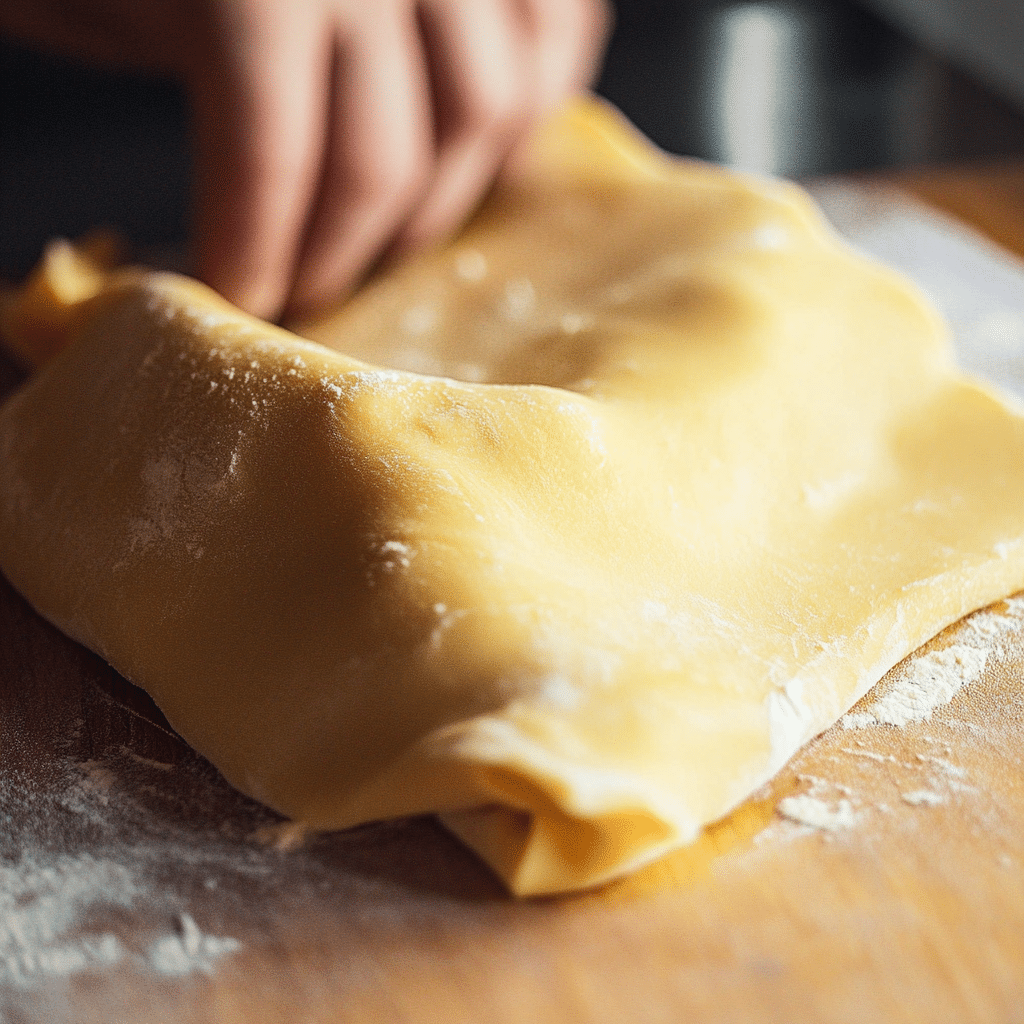
- Knead the Dough: Once the mixture becomes too thick to stir with a fork, start kneading by hand. Work the dough for about 8-10 minutes until it becomes smooth and elastic. If it feels too dry, add a teaspoon of water at a time.
- Rest the Dough: Wrap the dough in plastic wrap and let it rest at room temperature for at least 30-45 minutes. This allows the gluten to relax, making the dough easier to roll out.
Roll and Shape the Pasta:
- Divide the Dough: Cut the dough into smaller sections for easier rolling.
- Flatten the Dough: Using a rolling pin or pasta machine, roll out each section to your desired thickness (usually 1-2mm for most pasta types).
- Shape the Pasta: Depending on your preference:
- Fettuccine or Tagliatelle: Cut into strips using a sharp knife or pasta cutter.
- Lasagna Sheets: Cut into wide rectangles.
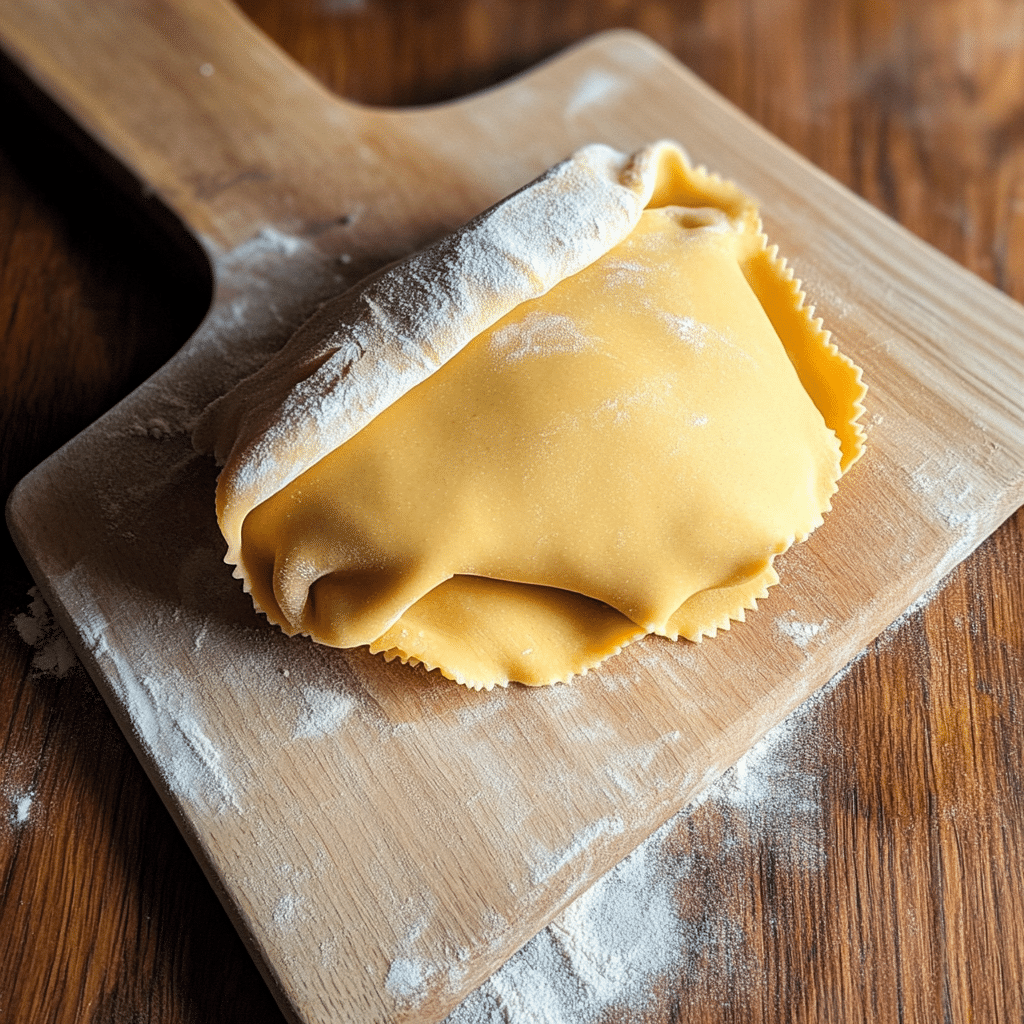
- Ravioli: Use a filling of your choice and seal between two pasta sheets.
- Pappardelle: Cut into thick ribbons.
- Dust with Flour: Lightly dust with flour to prevent sticking.
Cook the Pasta:
- Boil Water: Bring a large pot of salted water to a rolling boil.
- Cook the Pasta: Fresh pasta cooks quickly, usually in 2-4 minutes. Drain and serve with your favorite sauce.
How to Serve Homemade Pasta Dough
Homemade pasta pairs beautifully with a variety of sauces and sides:
- Classic Tomato Sauce: A simple marinara or fresh tomato basil sauce enhances the natural pasta flavors.
- Garlic and Olive Oil: Aglio e olio-style pasta brings out the dough’s richness.
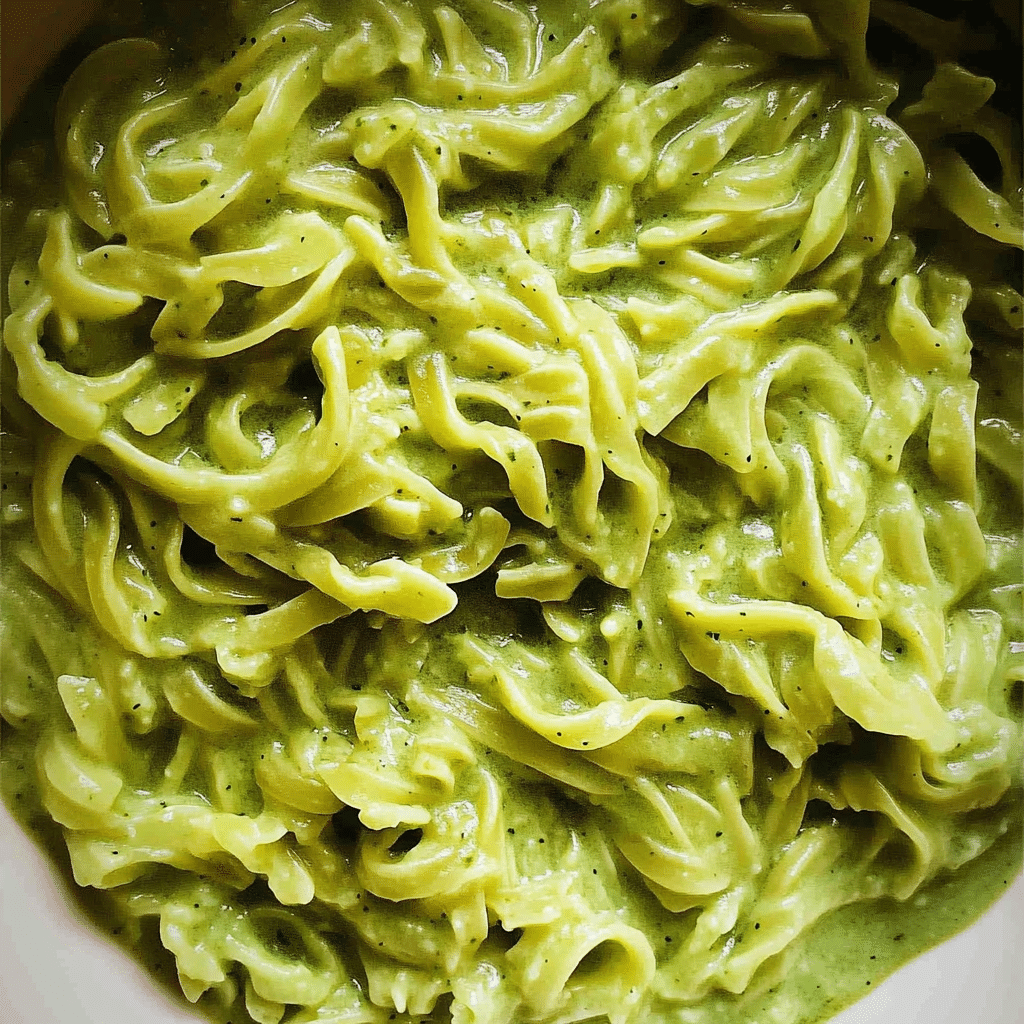
- Pesto Sauce: A fresh, herby pesto works beautifully with homemade pasta.
- Cream-Based Sauce: Alfredo or a light Parmesan cream sauce coats the fresh pasta perfectly.
- Vegetable-Based Sauce: Roasted vegetables, sautéed mushrooms, or spinach can elevate the dish.
- With a Side Salad: A crisp green salad balances the richness of the pasta.
Additional Tips for Homemade Pasta Dough
Here are some expert tips to perfect your homemade pasta dough:
- Use the Right Flour: “00” flour creates softer pasta, while semolina flour adds texture for shapes like orecchiette or cavatelli.
- Let the Dough Rest: This prevents the dough from being too tough to roll.
- Knead Until Smooth: Proper kneading ensures elasticity and a strong pasta structure.
- Flour Lightly: Too much flour while rolling can make pasta dry.
- Work in Batches: Roll and cut small portions at a time to keep the dough manageable.
- Cook Immediately or Store Properly: Fresh pasta can be used right away or stored for later.
Recipe Variations for Homemade Pasta Dough
Try these variations to customize your homemade pasta dough:
- Whole Wheat Pasta: Substitute half of the all-purpose flour with whole wheat flour for a nuttier taste.
- Spinach Pasta: Blend cooked spinach into the dough for a vibrant green color.
- Herb-Infused Pasta: Add finely chopped basil or parsley for extra flavor.
- Egg-Free Pasta: Use a mixture of water and olive oil instead of eggs for a vegan-friendly dough.
- Gluten-Free Pasta: Use a gluten-free flour blend designed for pasta-making.
- Turmeric Pasta: A pinch of turmeric adds color and subtle earthy flavor.
- Beetroot Pasta: Pureed beets give the pasta a beautiful pink hue.
- Lemon Zest Pasta: Adds a hint of citrus for a refreshing twist.
- Chili Flake Pasta: For a slight kick, add a pinch of chili flakes to the dough.
- Squid Ink Pasta: If available, squid ink adds deep color and an umami-rich flavor.
Freezing and Storage for Homemade Pasta Dough
- Refrigerating Fresh Pasta: Store in an airtight container for up to 2 days.
- Freezing: Lay pasta flat on a baking sheet until frozen, then transfer to a sealed container for up to 2 months.
- Drying Pasta: Hang cut pasta on a drying rack for 12-24 hours, then store in an airtight container.
Special Equipment for Homemade Pasta Dough
Though pasta can be made entirely by hand, these tools make the process easier:
- Rolling Pin or Pasta Machine – Helps roll out even sheets.
- Sharp Knife or Pasta Cutter – For cutting precise shapes.
- Mixing Bowl – Useful for kneading if you prefer not to use a countertop.
- Fork or Dough Scraper – Helps mix ingredients and clean surfaces.
- Flour Sifter – Ensures a smooth, lump-free dough.
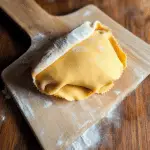
Homemade Pasta Dough
- Total Time: 1 hour
- Yield: 4–6 servings 1x
Description
Homemade Pasta Dough is the foundation of countless comforting and delicious meals, bringing the simple pleasure of fresh, tender pasta to your plate. The combination of just a few basic ingredients—flour, eggs, and a touch of olive oil—creates a silky, pliable dough that transforms into delicate strands of tagliatelle, pillowy ravioli, or perfectly rolled lasagna sheets. There’s something undeniably special about making pasta from scratch; it’s both an art and a tradition that results in something infinitely more satisfying than store-bought alternatives.
Ingredients
- 2 cups (250g) all-purpose flour or “00” flour (for a silkier texture)
- 2 large eggs
- 1 egg yolk (for extra richness)
- ½ teaspoon salt
- 1 tablespoon olive oil
- 1–2 tablespoons water (if needed)
Instructions
Prepare the Dough:
- Form a Flour Well: On a clean surface or in a large mixing bowl, make a mound with the flour. Create a well in the center.
- Add the Wet Ingredients: Crack the eggs into the well, add the extra yolk, salt, and olive oil.
- Mix Slowly: Using a fork, gradually whisk the eggs, incorporating a little flour at a time from the edges until a sticky dough forms.
- Knead the Dough: Once the mixture becomes too thick to stir with a fork, start kneading by hand. Work the dough for about 8-10 minutes until it becomes smooth and elastic. If it feels too dry, add a teaspoon of water at a time.
- Rest the Dough: Wrap the dough in plastic wrap and let it rest at room temperature for at least 30-45 minutes. This allows the gluten to relax, making the dough easier to roll out.
Roll and Shape the Pasta:
- Divide the Dough: Cut the dough into smaller sections for easier rolling.
- Flatten the Dough: Using a rolling pin or pasta machine, roll out each section to your desired thickness (usually 1-2mm for most pasta types).
- Shape the Pasta: Depending on your preference:
- Fettuccine or Tagliatelle: Cut into strips using a sharp knife or pasta cutter.
- Lasagna Sheets: Cut into wide rectangles.
- Ravioli: Use a filling of your choice and seal between two pasta sheets.
- Pappardelle: Cut into thick ribbons.
- Dust with Flour: Lightly dust with flour to prevent sticking.
Cook the Pasta:
- Boil Water: Bring a large pot of salted water to a rolling boil.
- Cook the Pasta: Fresh pasta cooks quickly, usually in 2-4 minutes. Drain and serve with your favorite sauce.
- Prep Time: 15 minutes
- Cook Time: 2-4 minutes
Nutrition
- Calories: 220-250 kcal
Conclusion for Homemade Pasta Dough
Homemade pasta dough is a simple yet rewarding recipe that elevates any meal with fresh, tender, and flavorful pasta. With just a few ingredients and a bit of kneading, you can create restaurant-quality pasta at home. Whether served with a simple olive oil drizzle or a rich sauce, the result is always delicious. Try this recipe, experiment with different variations, and enjoy the magic of fresh, homemade pasta! 🍝