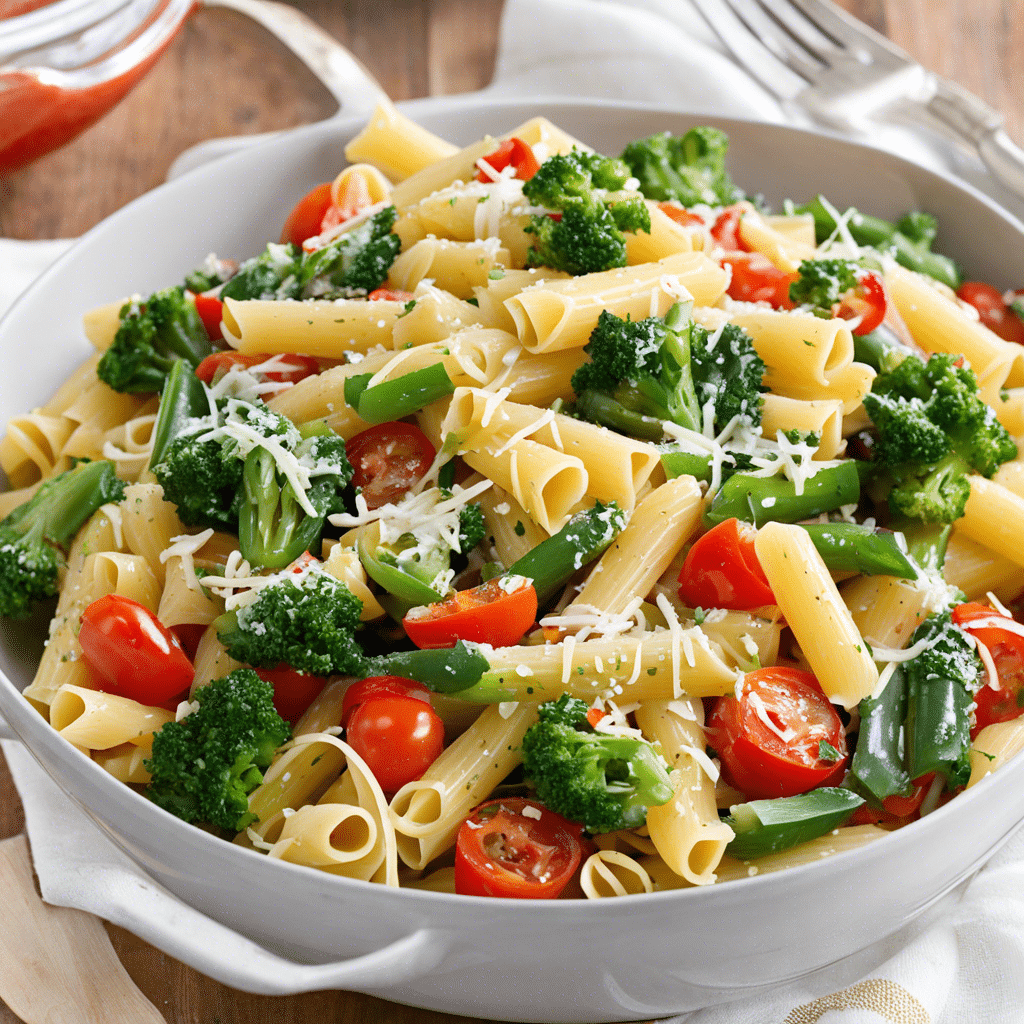
As someone who thrives on exploring new recipes and experiences in the kitchen, I must admit that the Pasta Primavera with Fresh Vegetables is a dish that has captured my culinary heart. When I first prepared it for my family, the reaction was overwhelmingly positive, and it quickly became a staple in our household. The vibrant colors of the vegetables coupled with the simple yet flavorful pasta create a delightful harmony that appeals to both the eyes and the palate. Each bite is an explosion of freshness, and it’s no wonder that even the pickiest eaters in my family couldn’t resist asking for seconds. This dish not only satisfies our cravings for something healthy but also brings a sense of joy and comfort to our dining table. Now, let’s dive into the details of how you can recreate this wonderful dish in your own kitchen.
Ingredients
The beauty of Pasta Primavera lies in its flexibility and the fresh ingredients that you can adapt based on seasonal availability. Here’s what you’ll need for a classic rendition:
- 12 ounces of your favorite pasta (spaghetti, fettuccine, or penne work wonderfully)
- 2 tablespoons of olive oil
- 1 red bell pepper, thinly sliced
- 1 yellow bell pepper, thinly sliced
- 1 zucchini, sliced into half-moons
- 1 cup of cherry tomatoes, halved
- 1 cup of broccoli florets
- 2 cloves of garlic, minced
- 1 teaspoon of dried oregano
- Salt and pepper to taste
- 1/4 cup of grated Parmesan cheese
- Fresh basil leaves for garnish
Instructions
Creating Pasta Primavera is a straightforward process that allows the natural flavors of the vegetables to shine. Follow these steps for a delightful meal:
- Cook the pasta: Begin by bringing a large pot of salted water to a boil. Add your chosen pasta and cook according to the package instructions until al dente. Reserve 1 cup of pasta water, then drain the pasta and set aside.
- Sauté the vegetables: In a large skillet, heat the olive oil over medium heat. Add the minced garlic and sauté for about 1 minute until fragrant. Add the sliced bell peppers, zucchini, and broccoli florets. Cook for 5-7 minutes, stirring occasionally, until the vegetables are tender-crisp.
- Combine ingredients: Add the cherry tomatoes to the skillet and cook for another 2 minutes. Season with dried oregano, salt, and pepper. Add the cooked pasta to the skillet and toss everything together, adding reserved pasta water as needed to create a light sauce that coats the pasta.
- Finish the dish: Remove the skillet from heat and sprinkle grated Parmesan cheese over the pasta. Toss again to combine, allowing the cheese to melt slightly. Garnish with fresh basil leaves before serving.
- Serve and enjoy: Transfer the Pasta Primavera to serving plates, ensuring each portion has a generous amount of vegetables and sauce. Serve immediately for the best flavor.
Nutrition Facts
When it comes to nutrition, Pasta Primavera offers a well-rounded meal that is both satisfying and nourishing. Here’s a breakdown of the nutritional content:
- Servings: 4
- Calories per serving: Approximately 350 calories
Preparation Time
The preparation of Pasta Primavera is quite efficient, making it an ideal choice for a quick weeknight dinner or a leisurely weekend meal.
- Preparation Time: 15 minutes
- Cooking Time: 20 minutes
- Total Time: 35 minutes
How to Serve
Serving Pasta Primavera can be as creative or as simple as you desire. Here are some ideas to elevate your dining experience:
- Serve with a crusty loaf of garlic bread to soak up any leftover sauce.
- Pair with a fresh mixed greens salad topped with a light vinaigrette.
- Offer a side of roasted asparagus or green beans for an extra dose of vegetables.
- Top with additional Parmesan cheese and a drizzle of olive oil for richness.
- Enjoy with a chilled glass of white wine or sparkling water with a slice of lemon.
Additional Tips
To ensure your Pasta Primavera is a success, consider these helpful tips:
- Use fresh vegetables: Opt for the freshest vegetables you can find to maximize flavor and texture. Farmers’ markets or local produce stands are excellent sources.
- Customize your veggies: Feel free to experiment with different vegetables such as asparagus, snap peas, or mushrooms, depending on what is in season.
- Adjust the seasoning: Taste as you cook and adjust the seasoning. A little extra salt, pepper, or even a pinch of red pepper flakes can enhance the dish.
- Make it gluten-free: Swap regular pasta for a gluten-free variety to accommodate dietary preferences without sacrificing flavor.
- Store leftovers properly: Store any leftovers in an airtight container in the refrigerator for up to three days. Reheat gently on the stovetop with a splash of water to refresh the sauce.
FAQ Section
Here are some frequently asked questions about Pasta Primavera:
- Can I add protein to this dish? Yes, you can add grilled chicken, shrimp, or tofu to increase the protein content and make it a more filling meal.
- What can I use instead of Parmesan cheese? If you’re looking for an alternative, try using feta cheese or a dairy-free cheese substitute for a vegan option.
- Is it possible to make this dish ahead of time? While the dish is best enjoyed fresh, you can prepare the vegetables and store them in the refrigerator until you’re ready to cook. Cook the pasta fresh for the best texture.
- How can I make the dish spicier? To add a bit of heat, include a pinch of red pepper flakes or a sliced jalapeño in the sautéing process. Adjust to your preferred level of spiciness.
- Can I freeze Pasta Primavera? Freezing is not recommended as the texture of the vegetables and pasta may become mushy upon thawing. It’s best to enjoy this dish fresh.